02Strategic Perspective
Formhaus
More thana high-end residence.
A residence can be exceptional in every measurable way and still be described in the same words as every other exceptional residence: the area, the specification, the view, the price.
This exploration asks a quieter question. Not whether the asset is desirable — but what makes it uniquely meaningful.
- Asset type
- Residential
- Character
- Elevated · Private
- Lens focus
- Asset · Position · Opportunity
This Strategic Perspective is an independent exploration created to demonstrate how I approach distinctive properties and places. It is not presented as a completed client mandate unless stated otherwise.
Observation
What is immediately visible?
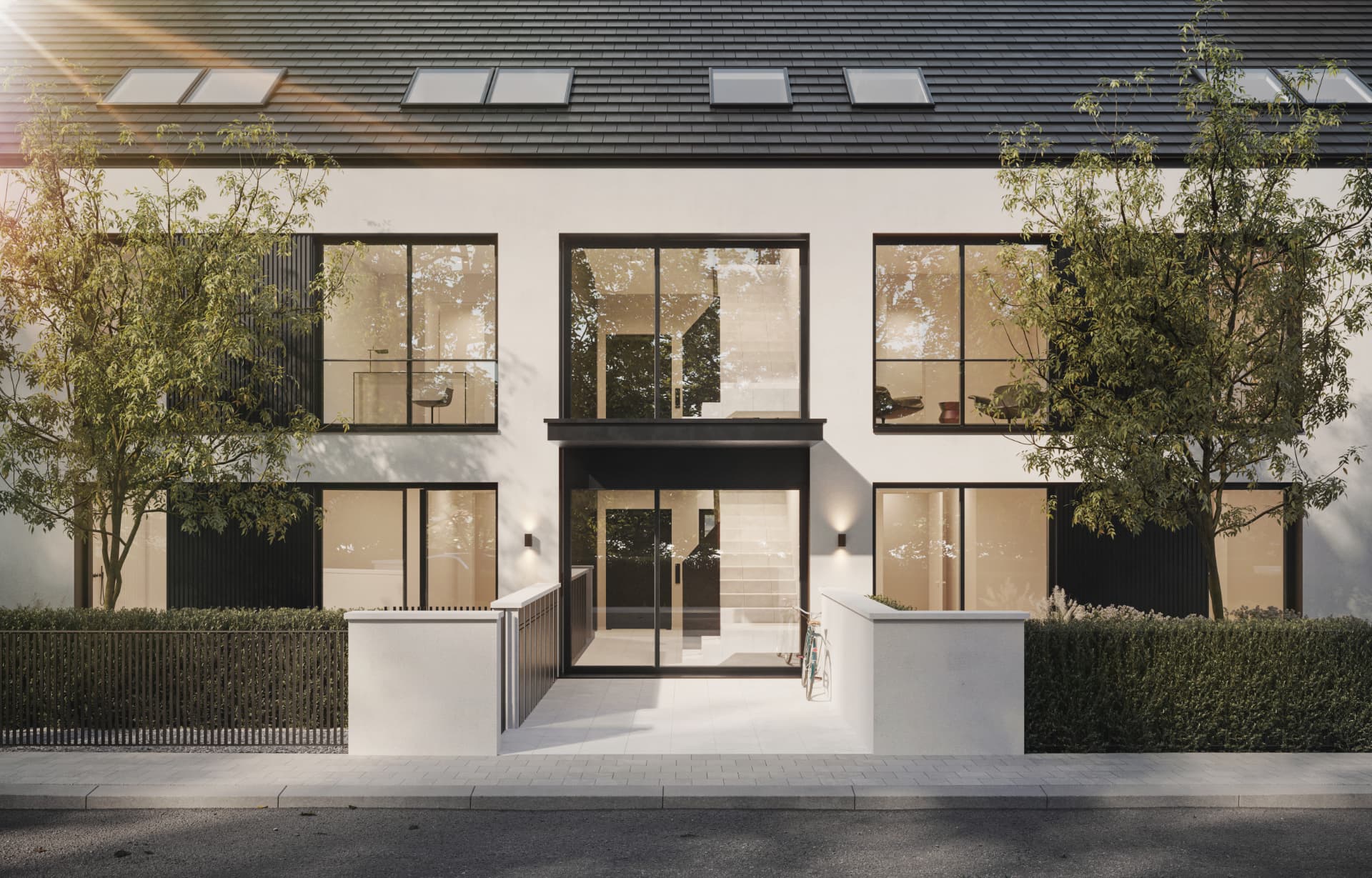
Architecture with intent: proportion, material, and a plan that is composed rather than assembled. Elevation that changes how the surroundings are experienced. Privacy that is spatial, not merely fenced.
These are the qualities that can be seen before anything is explained. They are also the qualities most easily reduced to a specification list — which is precisely where distinctiveness tends to disappear.
Context
What does the relationship between city and nature make possible?
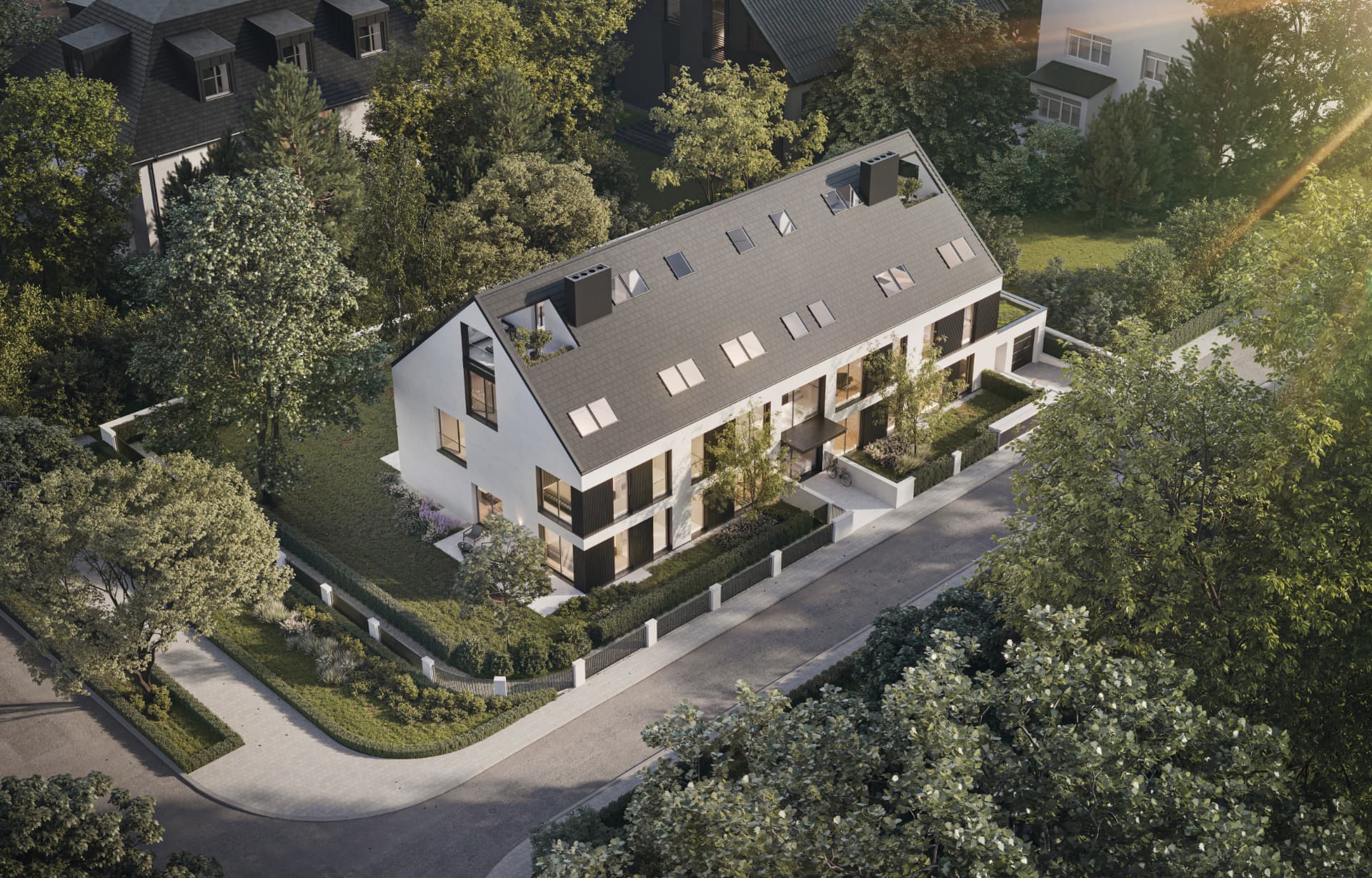
An elevated residence sits between two horizons: the city that provides proximity, and the landscape that provides distance. Most positioning chooses one and ignores the other.
The more interesting reading is the relationship itself — the daily movement between being connected and being removed, and what kind of life that movement makes possible.
Strategic tension
What is the gap between the asset and its current perception?
A high-value residential property competes on comparison: square metres, finish, category. A residential asset with a distinctive strategic identity is not compared in the same way, because it is not describing the same thing.
Nothing here suggests the property lacks value. The tension is between value that can be listed and meaning that has to be understood.
The question is not whether it is desirable. It is what makes it meaningful.
Perspective
What becomes visible when the frame changes?
Read together — architecture, privacy, elevation, city, nature — these qualities stop being amenities and start describing a way of living: measured, private, oriented outward, unhurried.
That shift moves the asset out of a category and into a position. Positions are harder to replicate than specifications.
Opportunity
What strategic directions could become possible?
Territories to explore, not slogans to select. Each would be tested against the asset, the intended audience and the ambition of the ownership.
Elevated living
Height understood as a way of experiencing a day, not as a floor number.
Private retreat
Privacy as a spatial quality rather than a security feature.
Relationship with the horizon
What the outlook does to the rhythm of living there.
City and nature
The value of holding both, rather than choosing between them.
Architectural identity
Where the design itself carries the position, without explanation.
Questions for the future
What should be explored further?
Strategic identity develops through exploration — not by choosing a phrase early.
Who recognises this asset immediately, and what do they recognise in it?
Which quality would be missed most if it were removed?
Does the architecture already say something the marketing has not yet said?
What kind of daily life does this asset actually enable?
Which single idea would still hold in five years?