01Strategic Perspective
Lichtspielhaus Bad Aibling
A property with the potentialto become a place.
Some assets are read first as buildings. Their architecture is described, their surface is measured, their use is defined. And yet a building with history carries something that is harder to record: a relationship with the people who have moved through it.
This exploration begins there — not with a plan for the property, but with a question about the role it could play.
- Asset type
- Historic building
- Location
- Bad Aibling
- Lens focus
- Context · Perception · Activation
This Strategic Perspective is an independent exploration created to demonstrate how I approach distinctive properties and places. It is not presented as a completed client mandate unless stated otherwise.
Observation
What is immediately visible?
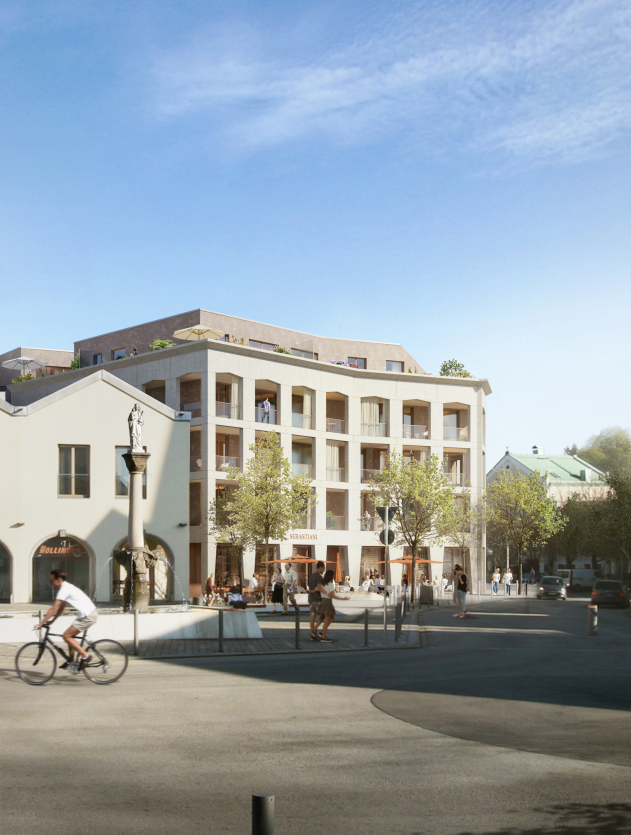
A building with a distinct architectural presence, shaped by a use that once gathered people in one room, in one shared moment. The structure carries the traces of that purpose in its proportions, its openings and its address to the street.
Physically, it is a defined asset: a form, a footprint, a set of spaces. Before any strategic direction is considered, this is what stands there — an architecture with a character that would be difficult to reproduce today.
Context
What exists around the asset?
Bad Aibling is a town with its own rhythm — a local public, a cultural life, a scale at which places are recognised rather than merely visited. An asset of this character does not sit in isolation from that rhythm; it is part of the mental map of the town.
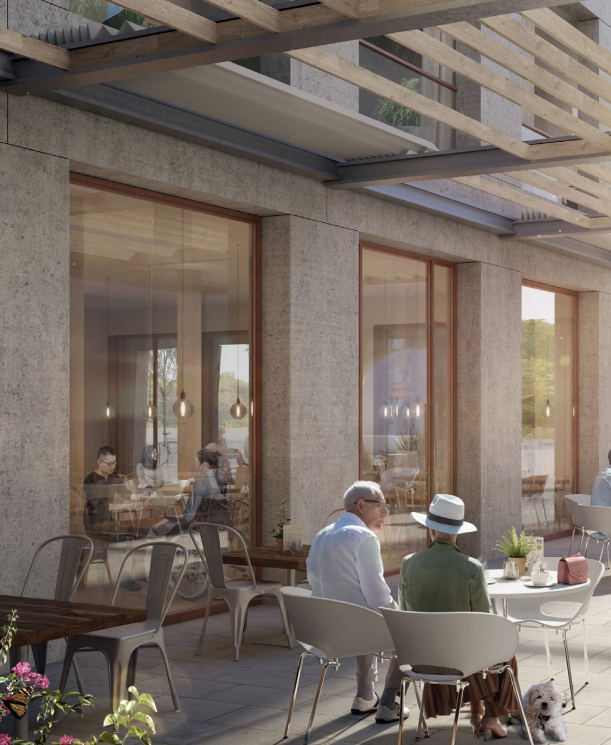
The relevant question is therefore not only what happens inside the building, but what relationship the building holds with what surrounds it: the street, the daily movement, the cultural habits of the people nearby.
What role could this asset play beyond its physical function?
Strategic tension
What is the gap between the asset and its current perception?
An asset can be physically significant and still be perceived narrowly — described by what it was, or by what it could be converted into, rather than by the role it might hold.
The tension explored here is not a deficiency. It is a difference in register: between the building as a defined property and the building as a reference point within its environment. Whether that difference exists in this case is a question to be examined with the people who know the town, not a conclusion to be asserted.
Perspective
What becomes visible when the frame changes?
Considered only as a development, the asset is measured in space and use. Considered as a place, it is measured in relevance: how often it is thought of, spoken about, returned to.
Widening the frame introduces forms of value that a floor plan does not capture — cultural memory, social gathering, local identity, continuity of narrative. None of these replace the economics of the asset. They give the economics a reason to be distinctive.
From property to place.
Opportunity
What strategic directions could become possible?
The following are territories worth exploring rather than recommendations. Each would need to be tested against the actual condition of the asset, its ownership objectives and the appetite of its surroundings.
Cultural relevance
How the asset's history could remain legible in whatever it becomes next.
Local connection
What kind of relationship with the town would be meaningful — and mutual.
Moments and gathering
Whether occasional use could establish familiarity before permanent use is defined.
Place identity
How the asset could be recognised as a location rather than an address.
Narrative continuity
How a story that already exists could carry forward instead of being restarted.
Questions for the future
What should be explored further?
Strategic thinking continues here. These questions are the working material of the next conversation.
What does this building currently mean to the people who grew up near it?
Which forms of use would strengthen its relevance rather than simply occupy it?
How much of its history should remain visible for the place to stay credible?
What would make the town consider it theirs again?
Which decisions can be tested at small scale before they are made permanent?